Every youth sports camp has rules against bullying. Most have a code of conduct, a day-one talk, and a clear message that everyone deserves respect. And yet bullying still happens, because rules only work when someone breaks them and gets caught. Most bullying is never reported. Kids do not want to be the one who told, so the first time a director hears about a problem is usually a phone call from a parent, weeks after it started.
So instead of asking how to catch bullying, we started asking a different question. Why does bullying happen at camp in the first place, and can software change the conditions that produce it? This post is about the answer we landed on, and it has almost nothing to do with monitoring kids.
Kids do what gets rewarded
Here is the simplest way to think about a week of camp. Kids want to matter in the group. That is true of every child, in every sport, at every age. The question is what a kid has to do to matter.
At most camps, only one thing is measured: athletic performance. Who is fastest, who scores, who wins the scrimmage, who gets picked first. Those results are public and everyone can see them, so by midweek every kid knows exactly where they stand.
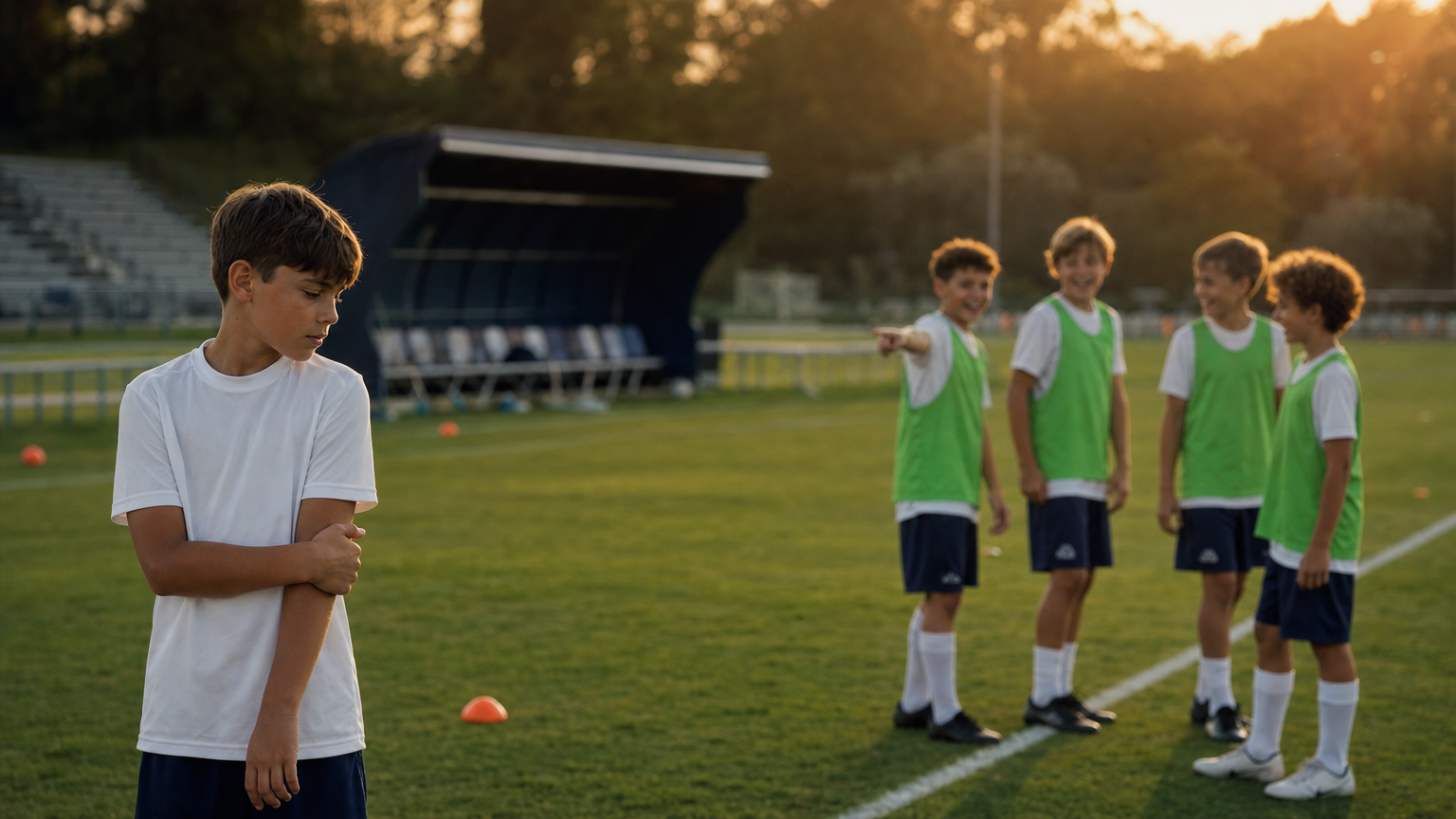
Now think about the kid who is not near the top of that ranking. They still want to matter. If being good at the sport is the only way to earn respect, and they cannot get it that way, some of them will find another way. Putting another kid down is the easiest shortcut there is. That is where a lot of camp bullying actually comes from. It is not that the kids are bad. It is that the environment only rewards one thing.
Coaches say they value effort, encouragement, and being a great teammate. But saying it is not the same as measuring it. The behavior camps want most is invisible, and the behavior that causes problems is a side effect of the only scoreboard in the room.
The fix follows directly from the problem. If kids do what gets rewarded, then reward the right things, visibly and consistently. That is something software is very good at.
A second scoreboard, run by the kids
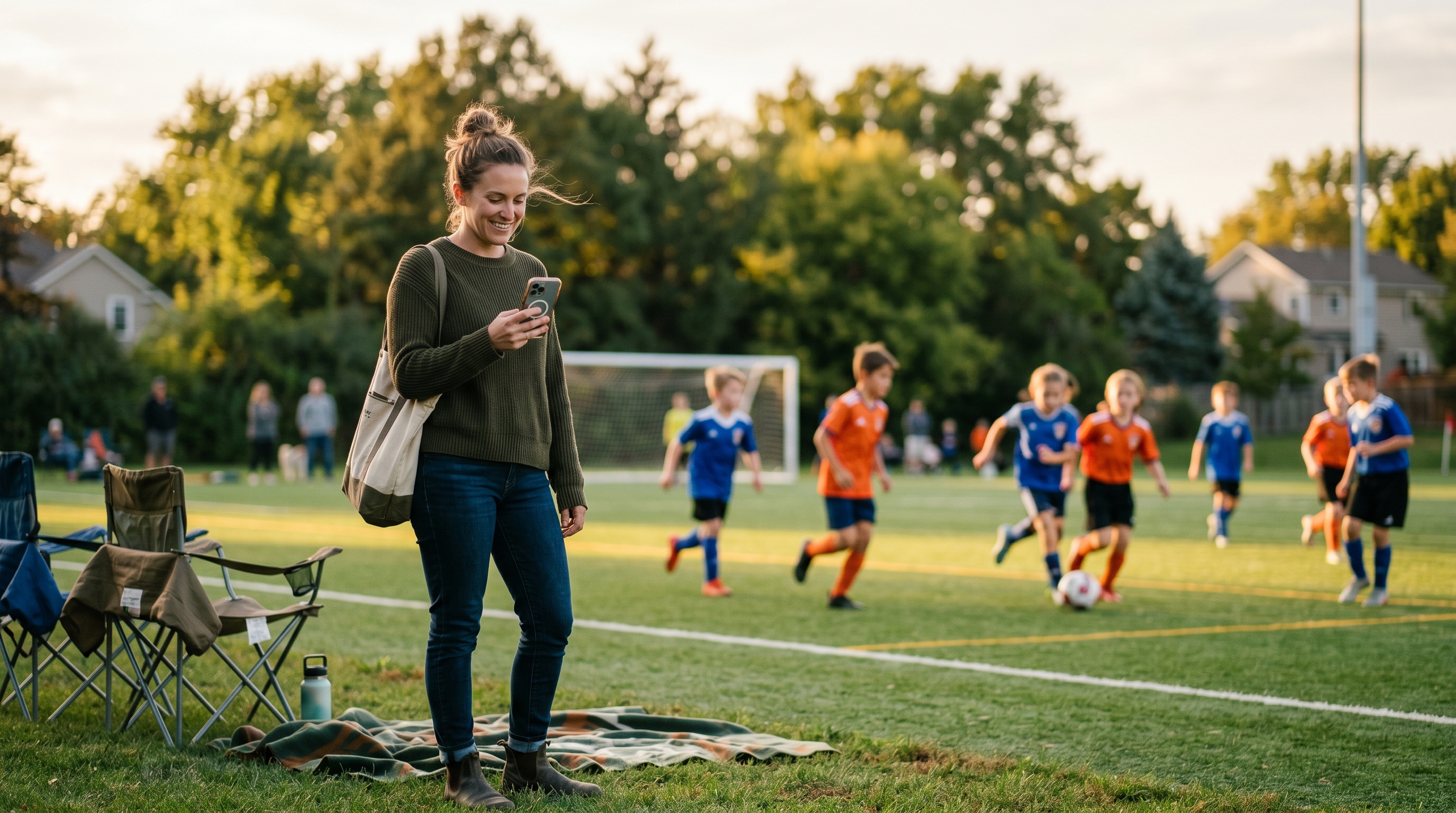
The idea is simple. At the end of each camp week, every camper gets one small piece of homework, and it lives in the parent portal. The parent logs in, hands over the phone, and the kid answers a few quick questions. Who showed the best teamwork this week? Who was the most encouraging? Who showed the most respect, discipline, focus, determination? One teammate per trait, and it takes about a minute at the kitchen table.
The answers are completely anonymous. No child ever finds out who picked them or who did not. There are no points on display, no rankings, and no way to vote anyone down. The system only lets kids give recognition, never take it away.
Then, when camp gathers again, the winners are announced. One name per trait. Most encouraging. Best teammate. Most determined. That announcement is the whole product, in a sense. Everything else exists to make that moment fair and worth wanting.
Putting the vote at home, through the parent, is deliberate. It gives the kid a quiet moment to actually think instead of tapping whatever their friends can see. And it pulls the parent into the good part of camp. Instead of asking did you have fun and getting a shrug, they are sitting next to their child while they decide who was the most encouraging teammate that week. That is a conversation most families have never had.
Why it changes behavior
Because of who the recognition comes from. When a coach praises a kid, that is one adult's opinion. When a kid finds out their own teammates chose them, that is the group itself saying you matter to us. Peer recognition is the strongest currency in any group of children, and this system puts it on the record for the first time.
And because every kid knows the vote is coming at the end of the week, the incentive runs all week. Encouraging a teammate after a miss is no longer invisible. Helping pack up the cones is no longer invisible. Somebody might notice, and noticing now counts for something. You have not added a single rule, and you have not punished anyone. You have simply made good behavior a way to win.
A few design choices keep it honest. Recent winners sit out for a couple of weeks so the same popular kid cannot win every time. Coaches review results before anything is announced, and hold a wildcard award of their own so a quietly excellent kid never goes a whole camp unnoticed. And nothing negative is ever collected or shown, which means the system cannot be turned into a weapon.
The economics, for the camp
Bullying is usually discussed as a safety issue, which it is. It is also a financial one, and this is the part operators should sit with.
When a child has a bad social experience at camp, the family rarely complains. They simply do not rebook. There is no angry email and no bad review, just a quiet decision at the kitchen table next spring. That family was worth several summers of enrollment, plus every friend they would have referred, and the director never learns why they left.
A camp that visibly rewards character gives parents something no brochure can fake. Their kid comes home talking about being named most encouraging, and the parent portal shows what the week recognized. Parents do not rebook camps because the drills were sharp. They rebook because their child was happy and wanted to go back, and this system is aimed at exactly that. If it keeps even a handful of families per season who would otherwise have drifted away, it has paid for itself many times over.
The economics, for the athlete
There is a longer game here too, and it is the part we find most exciting.
Ask any elite program what they want and you will hear the same two things: talent, and character. They want the athlete who works hard, takes coaching, and makes the players around them better. Everyone in sports agrees this matters. Nobody has ever been able to measure it, so it gets judged on gut feel at a tryout.
Now imagine a kid who has attended camps for three seasons, and week after week their teammates picked them for encouragement, discipline, and teamwork. Different kids, different summers, same verdict. That is not a parent's opinion or a coach's letter. That is a track record, built from the honest votes of the people who actually played beside them.
For the athlete, character stops being a word on a poster and becomes something they own, something that follows them toward every team they try out for. For the sport, it means the incentive to be a good teammate does not end when camp does. We think records like this will eventually sit next to stats as a normal part of how young athletes are evaluated, and the organizations that start building them now will be years ahead.
What software is actually for
Most youth sports software handles logistics. Registration, payments, rosters, schedules. GameDay does all of that, and it matters, but logistics software only makes camps easier to run. It does not make them better to attend.
The next layer is software that shapes the experience itself. Not by watching kids, but by deciding what gets measured, and therefore what gets rewarded, and therefore how kids treat each other. Bullying thrives in environments where kindness is invisible. Make it visible, make it count, and the whole room tilts toward the behavior you want.
The kids already know who the best teammate is. Software's job is to ask them, and to make the answer worth something.
Frequently asked questions
How do you prevent bullying at a youth sports camp?
Codes of conduct and reporting processes are necessary but weak on their own, because most bullying is never reported by kids. The more effective approach is changing the camp's incentives: measure and publicly reward the behavior you want more of, such as teamwork, respect, and encouragement, so that kids have a route to status that does not depend on athletic ranking.
Does peer recognition actually change how kids behave?
Yes, when it is designed carefully. Recognition from teammates carries far more social weight for a child than praise from an adult. Keeping the vote anonymous and positive-only, hiding all counts, rotating winners, and giving coaches a review step prevents it from becoming a popularity contest and keeps the incentive pointed at genuine behavior.
What character traits should a youth sports camp recognize?
Six traits cover most of what operators and elite programs care about: teamwork, respect, discipline, focus, determination, and encouragement. Each week campers pick one teammate per trait, and one winner per trait is announced, so different kinds of contribution are made visible rather than only athletic performance.
How does the weekly vote work in the GameDay parent portal?
At the end of each camp week the vote appears in the parent portal as a short piece of homework. The parent logs in, hands the phone to their child, and the child picks one teammate per trait in about a minute. Votes are anonymous, nothing negative can be submitted, coaches review the results, and only the winners are announced when camp gathers again.
Build a camp kids want to come back to
GameDay is building weekly peer recognition into the platform, alongside registration, rosters, and the parent portal, so character sits next to logistics instead of in a separate app. We are looking for a small number of programs to shape and pilot it this season.
Back to all posts